


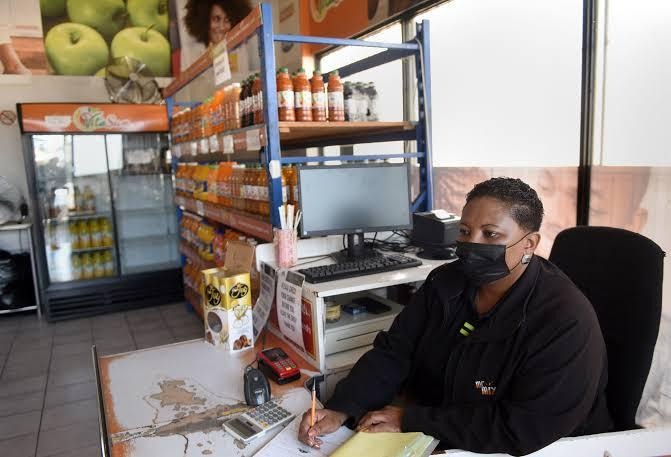
Image: Courtesy of The Citizen -Agnes Kitavi
When power disruptions and localized grid failures strike South Africa’s township and retail hubs, the damage is not theoretical it is measured in daily cash flow, thrown-away inventory, and walk-away customers.
From Gauteng’s high density township centers to the Eastern Cape’s retail markets, small businesses relying on refrigeration face a common threat: without automated backup power, cold-chain failure destroys capital in hours.
Case 1: Agnes Kitavi (Soweto, Gauteng) The Spoilage and Appliance Surge Strain
In Soweto, Gauteng, Agnes Kitavi runs a local store dependent on refrigeration for perishable grocery items, dairy, and cold beverages.
When rolling blackouts and unannounced power cuts strike her community, Kitavi’s operations face immediate financial friction:
Direct Stock Spoilage: Extended power outages cause internal fridge temperatures to drop, forcing her to repeatedly write off spoiled food and fresh stock.
Appliance Surge Damage: Frequent grid trips and abrupt power restorations send high-voltage spikes through the line, regularly damaging her commercial refrigerator compressors and incurring steep repair bills.
Payment Terminal Failures: Off-line network towers and unpowered card machines prevent digital card transactions. Because many township customers no longer carry physical cash, shoppers simply walk away without making purchases.
“Load shedding is straining my business… Food goes bad in the fridge, and when power cuts, card machines stop working so customers who don’t have cash can’t buy.“ Said Agnes Kitavi, Soweto
This uncertainty creates capital paralysis small township traders stop stocking high-margin perishable inventory because they cannot protect it, driving local customers away to major retail chains operating industrial backup systems.
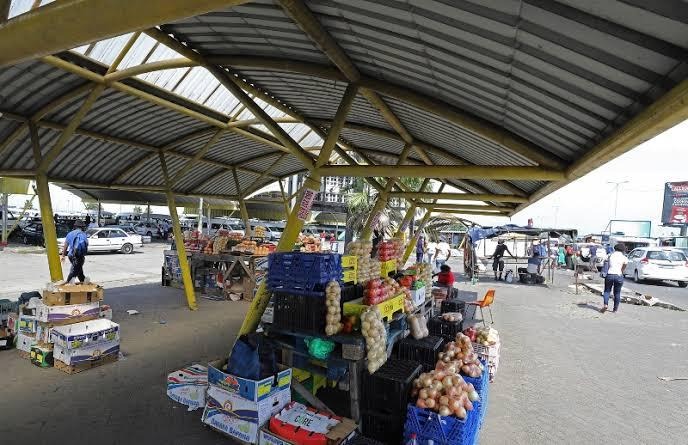
Image: Courtesy of Buffalo City Self-Drive
Case 2: Siyabonga’s Meat Corner (Mdantsane, Eastern Cape) The “Generator Trap”
More than 900 kilometers away in NU 1, Mdantsane, Siyabonga (42) spent three years building a local meat market and braai stand. In the township economy, weekend trade generates over 60% of total weekly revenue. On a typical Saturday, his commercial chest freezers hold up to R18,000 in fresh pork, beef sausages, and chicken cuts.
When a local transformer explosion and cable theft cut struck at 08:00 on a warm Saturday morning, Siyabonga’s petrol generator failed to save his business:
High Running Costs: The 3.5kVA generator consumed nearly 2 liters of petrol per hour, costing R380 in cash per day to run.
Overheating & Fumes: Four hours into the outage, the generator overheated and stalled. Loud exhaust fumes drove patrons away from his outdoor dining area.
Total Inventory Loss: With the generator dead and municipal power off for 14 hours, internal freezer temperatures spiked. By Sunday morning, R14,000 worth of fresh meat was completely ruined.
Voltage Restoration Spike: When grid power returned, a voltage surge fried the digital control board on his electronic weighing scale and POS terminal (R3,200 repair cost).
Why Small Petrol Generators and Emergency Gas Are Failing Traders
Both cases illustrate why traditional “workarounds” like petrol generators and emergency gas drain small-business capital:
Unpredictable Daily Outlays: Spending hundreds of rands daily on fuel creates a massive monthly operational expense with zero long-term asset value.
Noise and Exhaust Pollution: Open-frame generators cannot run indoors and emit fumes and high decibels that drive away customers.
Unregulated Power Quality: Raw municipal power restorations and basic petrol generators lack pure sine wave regulation, regularly sending voltage spikes that destroy compressor motors and digital scales.
The Solution: Plug-and-Play Lithium Power Stations
To break free from daily fuel costs and surge damage, township and inner-city retail hubs are transitioning to LiFePO4 (Lithium Iron Phosphate) portable power stations:
Instant UPS Switchover: Transitions power in under 20 milliseconds when the grid dies, keeping fridges, POS card machines, and digital scales running without interruption.
Pure Sine Wave Surge Protection: Acts as a clean buffer, filtering dangerous voltage spikes when grid power returns.
Zero Daily Running Outlays: Recharges quietly from wall sockets when grid electricity is on eliminating daily fuel runs.
Whether in Soweto or Mdantsane NU 1, the economic lesson across South Africa remains identical: Waiting for municipal grid stability or spending thousands on daily fuel is a losing strategy.
Investing in a clean, warrantied lithium power station turns alternative energy from an expensive daily habit into a one-time capital asset that protects your stock, shields your appliances, and secures your daily income.